Black-a-Moors in the European Imagination II: Beyond Dolce and Gabbana

Detail of statue of St. Maurice, Magdeburg, Germany, Cathedral of St. Maurice and St. Catherine, choir, ca. 1240-50

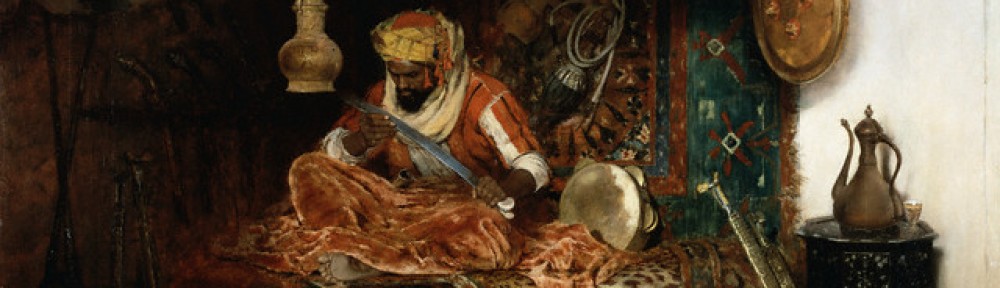
The recent use of earrings fashioned in the images of exotic black women by Dolce and Gabbana during a fashion show has caused understandable controversy. Critics charge the imagery is too reminiscent to slave-era derived caricatures of blacks, like Mammy or Little Sambo. D&G has denied racism is at play, and instead point to a history of black-a-moor decorative art on the Italian peninsula dating back to the medieval era, where blacks were numbered among the Arab-Berber armies that invaded Sicily in the 10th century. The truth may lie somewhere between the two claims. While black-a-moor decorative art indeed predates slavery and black caricatures like Mammy, their history is rooted in the European imagination–and come with inherent contradictions. As shown in a previous post, in medieval European stories and legends, black-a-moors appear as threatening figures associated with the Muslim world. But, as I discuss here, they could also take the guise of benevolent allies. Over time, these varied depictions would meld with the coming era of African slavery, where skin color became increasingly tied to servitude and bondage.


Continue reading

Black-a-Moors in the European Imagination: Beyond Dolce and Gabbana

Last month fashion icons Dolce & Gabbana sent models down the runway sporting earrings carved in the likeness of black women. The uproar was instantaneous. One story described the earrings as “slave-like,” linking them to a long history of black caricatures. Another lampooned D&G for engaging in “cartoonish, debasing, subaltern imagery that would make even your politically incorrect Grandpa think twice.” The official media term for them became, “slave earrings.”

Continue reading

Pirates, Hydrarchy and the Motley Crew: Beyond “Arrgggh!”

In the late 17th thru mid 18th centuries, piracy was the method of last resort for the downtrodden and dispossessed: men desperate for work; deserters from throughout the war-wracked Atlantic; runaway slaves seeking refuge from bondage; criminals (from debtors to cutthroats) escaping the long arm of the law. Today, pirates are most remembered through popular culture–as dashing rouges, foppish cross-dressers, menacing brigands and motley crews of mad men and degenerates. But the pirates and piracy of history were much more complex, individuals who chose the margins of society as preferable to the authoritarian rule of empires, creating a separate space where they sought to govern themselves through methods that were radical not only for their day, but our own.

Continue reading

NHS Defeats Voldemort at the 2012 Olympics

“Americans left baffled by left-wing tribute to free healthcare during Opening Ceremonies,” reads the Daily UK Mail. You mean where Lord Voldemort and an assorted set of baddies were defeated by the National Healthcare System (NHS) of Britain along with an army of umbrella waving Mary Poppins-es? Sigh. Of course we were.

Continue reading

300 Spartans, 1 Million Persians and the Altering of History

So I’m doing what I normally do when I should be working/writing (trying to read the entire internet) and quite by chance I find out they’re making a sequel to 300. Then I threw up in my mouth a little… because nothing makes me gag like the thought of another bit of Hollywood-formulated Occidental fantasy and Orientalist othering with a large dose of historical revisionism by that icon of multiculturalism and gender representation, Frank Miller. Re-posted below, for whoever cares, is a review and critique I wrote on 300 back in 2007. In the name of blogger honesty, I haven’t changed anything from the original post–except for a few broken links. I have a feeling the inevitable sequel won’t require me to do that much revision anyway.

Continue reading