 “I think that, especially if you’re a Westerner doing another culture, you have responsibilities to do the best darn research you can (and not just appropriate the cool bits). You must take care not to promote harmful stereotypes ; especially since, as a Western writer (especially, but not only, if you live in the West), you must be aware that your narrative is going to be privileged over that of locals. That gives you extra responsibility to get it as right as you can.”–Aliette de Bodard
French-American author Aliette de Bodard’s comment was made during a recent roundtable at The World SF Blog (TWSFB) on the issue of depictions of non-Western societies and cultures in speculative fiction. In this case, de Bodard was specifically addressing those writers in the West who take the (brave) plunge and attempt to write about cultures and societies outside of their own. I actually applaud this, and suggested in a recent blog that speculative fiction authors (of any racial/ethnic background, and specifically those in fantasy) should make this attempt more often. Yet, as I also noted in that same post, this comes with risks. As an outsider, it’s all too easy to fall back (intentionally or no) on stereotypes or exoticism as a means of depicting “difference.” So, continuing with this talk of spears, sorcery and black double-consciousness, how does a black Western writer create African fantasy that avoids (or at least tries to avoid) these pitfalls? I don’t have all the answers. Surprise. I don’t even know if anything I have to say qualify as answers. Double surprise. But here are some personal thoughts anyway, for what they’re worth…
Continue reading →
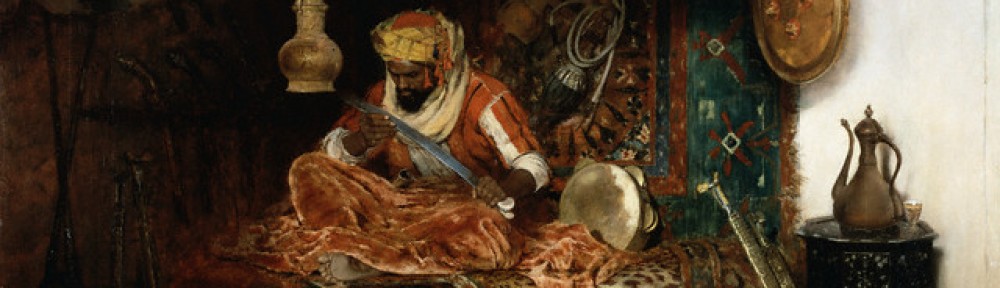
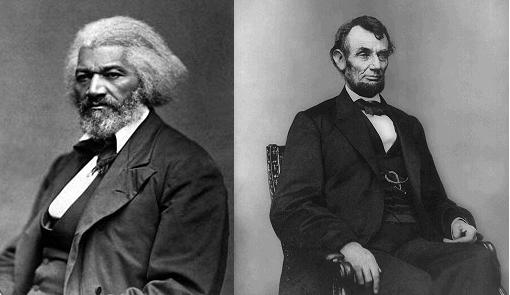
 Is it just me, or does steampunk have an abolitionist problem–or rather, a lack of them? Okay. Perhaps I’m over generalizing. I haven’t read/seen every steampunk story after all. But I’ve noticed that some of the more popular works in the genre, those few that courageously even bother to address slavery, manage to leave out (or somehow weed-out through deft alternative history-making) those figures and groups that were so instrumental in bringing about the end of the slave system in the Atlantic world. Continue reading


 Phenderson Djèlí Clark