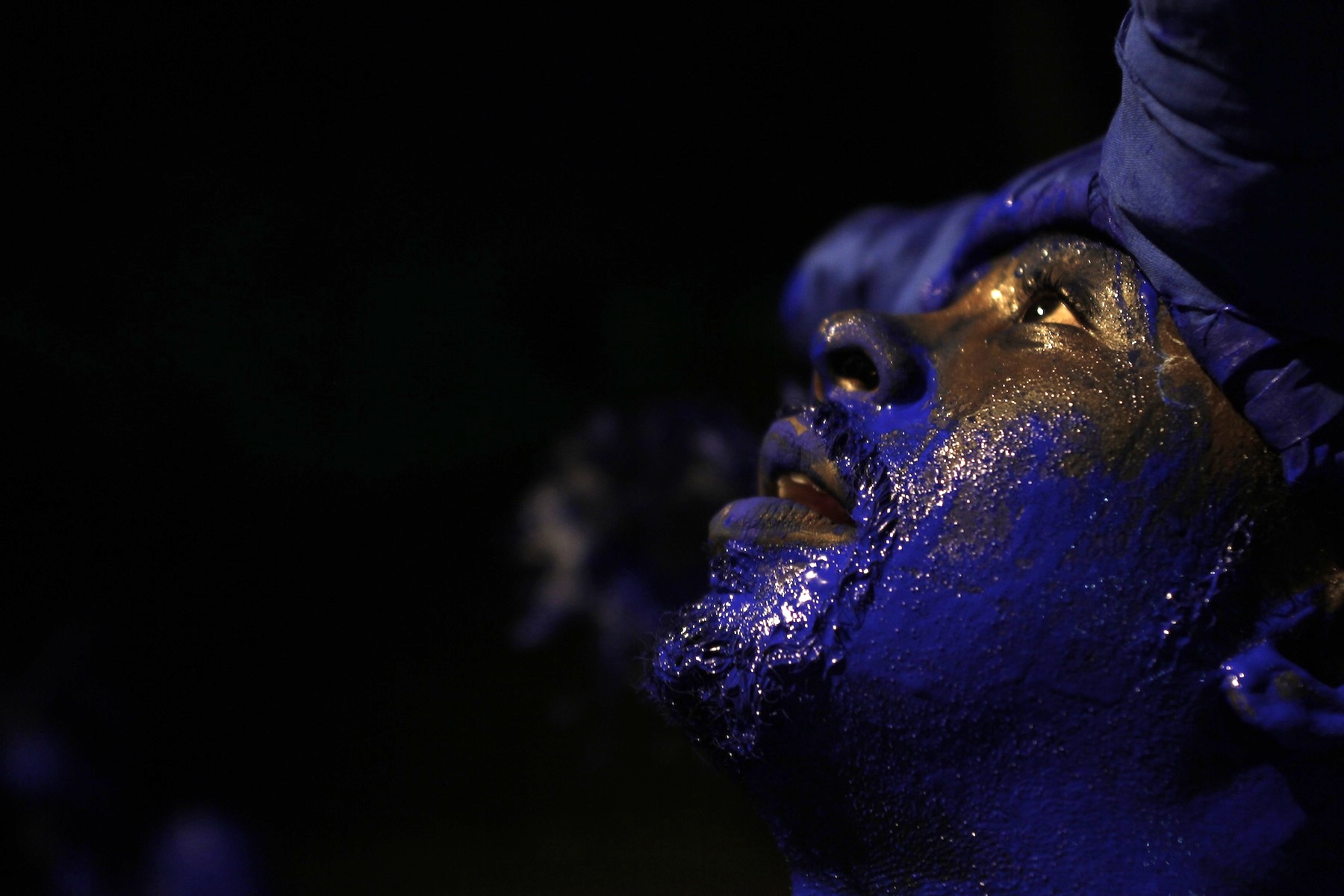
 J’Ouvert in the end, is magic. Wonderful, fantastic, dangerous magic.
*photo courtesy of the film After Mas, taken by Joseph Mora
J’Ouvert in the end, is magic. Wonderful, fantastic, dangerous magic.
*photo courtesy of the film After Mas, taken by Joseph Mora
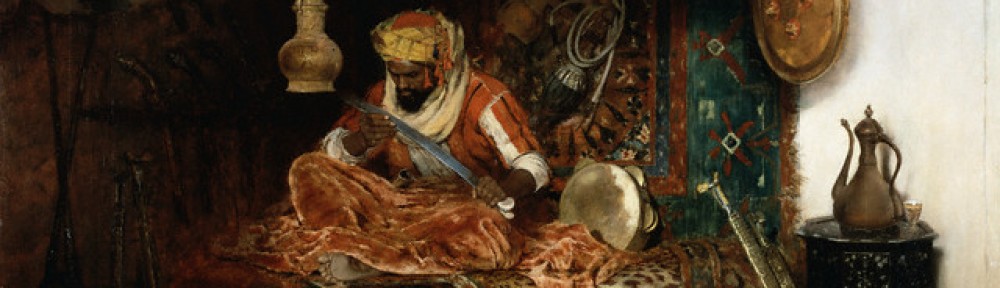
 Much of the mental imagery we conjure of the non-Western world in the past century come from endless photos–often of varied peoples in fantastic headdress, wrapped in “exotic” clothing and striking regal poses. For artists, creators and those looking for “authenticity” or understandings of cultures and peoples seemingly “lost in time,” these images are invaluable. But how authentic are such glimpses of the past? Especially when constructed through a colonial lens? Can photos…lie?
 A minor kerfuffle on race and representation was kicked up following last Sunday’s season finale of HBO’s Game of Thrones.
 So it’s happened. Matt Smith, the latest incarnation of everyone’s favorite Time Lord, will be leaving Doctor Who at the end of the year. Goodbye to the Fezes and Stetsons. Oh, and did you hear there’s a book coming out that calls the series “thunderously racist?” Ruh-roh! Get ready for some Racey-Wacey-Timey-Wimey stuff.
Art courtesy of Geek News Network.
 Sometime in the 1930s, a black journalist is kidnapped in Harlem by the charismatic Dr. Henry Belsidius, leader of the Black Internationale–a shadowy organization determined to build a Black Empire and overthrow the world of white racial hegemony with cunning and super science. Journalist George S. Schulyer’s fantastic tale was written in serials in the black Pittsburgh Courier between 1936 and 1938 under the pseudonym Samuel I. Brooks. It quickly found a loyal following among African-American readers, who saw in Dr. Belsidius and the Black Internationale a heroic, sci-fi tale of black nationalism, triumph and race pride. The newspaper was surprised at the serials’ growing popularity, and pushed for more–sixty-two in all. Yet no one was as surprised at the story’s success than George Schulyer who, disdaining what he saw as the excesses of black nationalism and race pride, had written Black Empire as satire.
 Phenderson Djèlí Clark