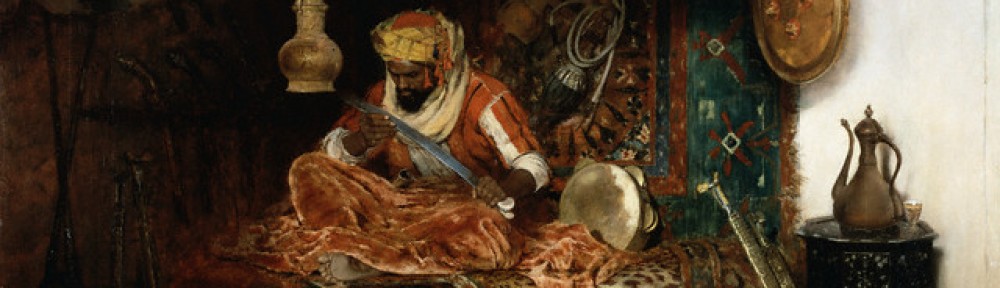
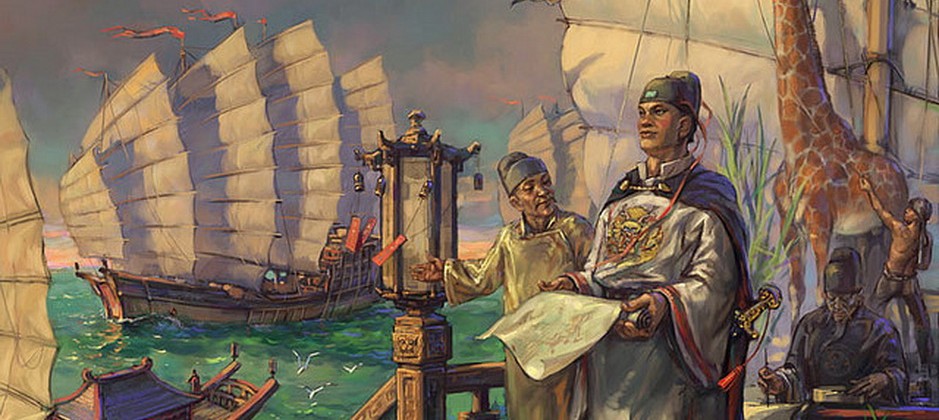
Everyone knows that in 1492 an Italian sailor named Cristoforo Colombo sailed the ocean blue, stumbling across what we would eventually come to call the Americas. But while his voyage may have been the first of its kind, he was by no means the first explorer. With the exception of the Americas, the late medieval world from which Columbus emerged was one of long-established contact, as trade and curiosity sent out earlier explorers, seeking across both land and sea.
Shaking Things Up in Sleepy Hollow
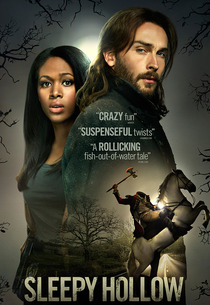
This past Monday FOX premiered its much-anticipated haunted Fall show Sleepy Hollow, a modern-day remake of Irving Washington’s classic tale. With a story that seems part X-Files, part National Treasure and just a wee bit Rip Van Winkle (also by Irving), the show takes risks, plays it safe elsewhere and exploits some popular tropes to spin out a semi-original tale that’s admittedly lots of fun.
The Education of a Would Be Speculative Fiction Writer
Some time ago, in a younger life that seems far, far away, I decided I wanted to write. I was going to write speculative fiction, like the sci-fi and fantasy books I’d spent so much of my younger life reading. I was going to be a PoC writing awesome speculative fiction that no one had seen before, away from the run-of-the mill elves, dwarves and what-not. And the very novelty of my work would gain accolades and applause.
Then I woke up.
Lost in the Cornfield
So it looks like little Anthony Freemont has wished me away to the cornfield for the month of August, hence my posting hiatus. I should find my way out sometime in September, and begin blogging again. In the meantime, remember, think happy thoughts. It’s a real good thing Anthony did! It’s a real good thing!
Can Photos Lie?- Images from the Colonial Imaginary
Much of the mental imagery we conjure of the non-Western world in the past century come from endless photos–often of varied peoples in fantastic headdress, wrapped in “exotic” clothing and striking regal poses. For artists, creators and those looking for “authenticity” or understandings of cultures and peoples seemingly “lost in time,” these images are invaluable. But how authentic are such glimpses of the past? Especially when constructed through a colonial lens? Can photos…lie?