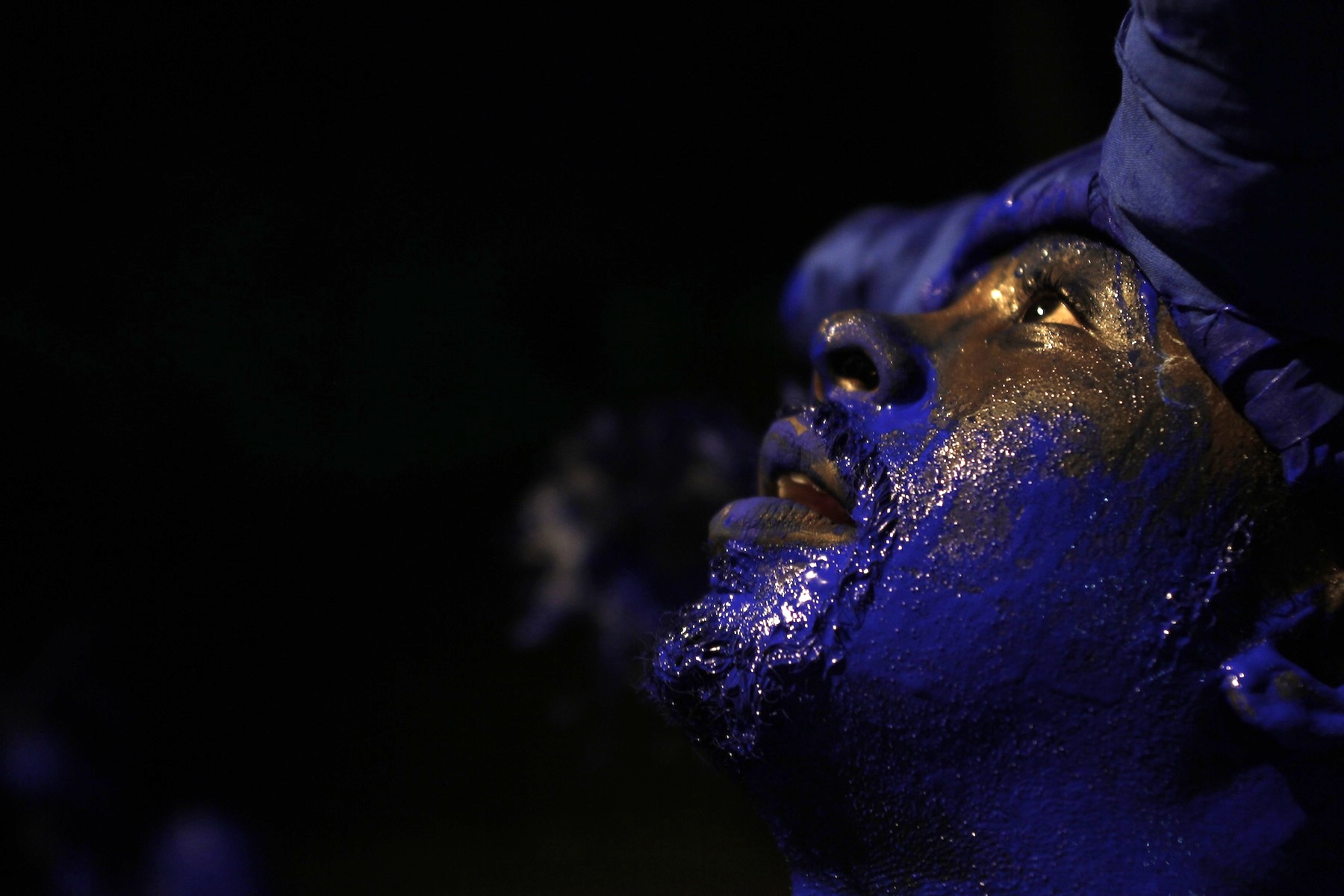
 J’Ouvert in the end, is magic. Wonderful, fantastic, dangerous magic.
*photo courtesy of the film After Mas, taken by Joseph Mora
J’Ouvert in the end, is magic. Wonderful, fantastic, dangerous magic.
*photo courtesy of the film After Mas, taken by Joseph Mora
 “…many Negroes and Mulattoes the property of Citizens of these States have concealed themselves on board the Ships in the harbor … and to make their escapes in that manner … All Officers of the Allied Army … are directed not to suffer any such negroes or mulattoes to be retained in their Service but on the contrary to cause them to be delivered to the Guards which will be establish’d for their reception …Any Negroes or mulattoes who are free upon proving the same will be left to their own disposal.”–General George Washington, October 25, 1781.
 In the film Django Unchained the character Stephen is fashioned in the image of the imaginary Tom, the faithful Uncle of Birth of a Nation (1915)…an enduring myth of the Old South that still permeates American folklore.
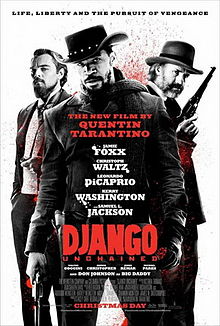 Django Unchained, director Quentin Tarantino’s ode to 1970s Blaxploitation flicks and the famed Italian spaghetti westerns of the same name, tells the story of the freed slave Django (Jamie Foxx) who goes on an orgy of revenge killings to rescue his wife Brunhilda (Kerry Washington) from her sadistic owner. Set in the American South two years before the Civil War, Django (though in many ways a western) is rooted in slavery–it is the film’s backdrop, the driving force behind the plot and what creates both heroes and villains of its main characters. Yet the slavery of Django bears only a passing resemblance to the slavery of our national past. Rather, it is the slavery of popular folklore, social mythology and age-old Hollywood caricatures–the slavery of our imaginations.
A lengthy post for a lengthy film. As always, spoilers.
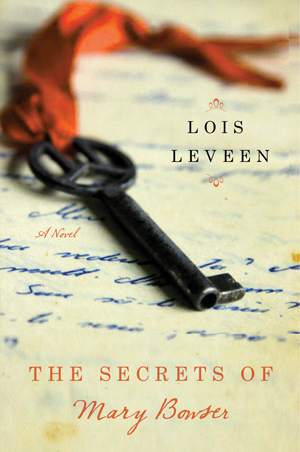 “Mary Bowser, born into slavery in Virginia sometime around 1840, was, alternately, a missionary to Liberia, a Freedmen’s school teacher — and, most amazingly, a Union spy in the Confederate White House.”–Lois Loveen
 Phenderson Djèlí Clark