
“The world is more like a living creature than a machine, and so too are stories. In fact stories exist in a bewildering number of adaptations…some of them might even look a little like a fish.”
“The world is more like a living creature than a machine, and so too are stories. In fact stories exist in a bewildering number of adaptations…some of them might even look a little like a fish.”
 “If aliens visit us, the outcome would be much as when Columbus landed in America, which didn’t turn out well for the Native Americans. . . We only have to look at ourselves to see how intelligent life might develop into something we wouldn’t want to meet.”–physicist Stephen Hawkins.
The last in a three-part installment on Christopher Columbus. How the destruction of the Americas and the legacies of colonialism and slavery, help shape the fears of our popular imaginings.
 What do the hunt for a mythical Christian King of the East, a fabled river of African gold and fears of the impending Apocalypse have to do with Christopher Columbus? Turns out, quite a bit. The Age of Exploration has a weird speculative side.
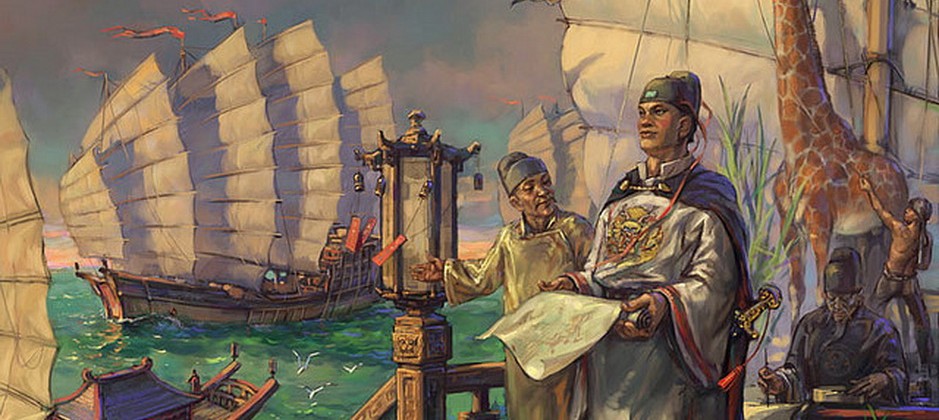 Everyone knows that in 1492 an Italian sailor named Cristoforo Colombo sailed the ocean blue, stumbling across what we would eventually come to call the Americas. But while his voyage may have been the first of its kind, he was by no means the first explorer. With the exception of the Americas, the late medieval world from which Columbus emerged was one of long-established contact, as trade and curiosity sent out earlier explorers, seeking across both land and sea.
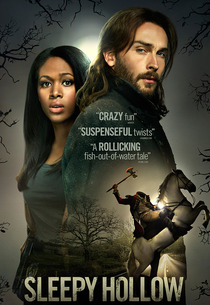
This past Monday FOX premiered its much-anticipated haunted Fall show Sleepy Hollow, a modern-day remake of Irving Washington’s classic tale. With a story that seems part X-Files, part National Treasure and just a wee bit Rip Van Winkle (also by Irving), the show takes risks, plays it safe elsewhere and exploits some popular tropes to spin out a semi-original tale that’s admittedly lots of fun.
 Phenderson Djèlí Clark