

Did you hear that Lupita Nyong’o has been cast as Helen of Troy in Christopher Nolan’s upcoming Odyssey flick? Of course you have. Because the usual chorus of salty folk won’t let you not know. The face that launched a thousand ships, has launched a thousand takes. So I figure, why can’t I have one? Let’s go!
The rumors started months ago. We all knew director Christopher Nolan was coming out with a cinematic retelling of Homer’s epic the Odyssey. And we’d seen enough stills of Matt Damon in that “artistic” helmet. Me, I was in from the moment it was announced. The Odyssey? Trojan Horse. Lotus-Eaters. Circe. Polyphemus. What’s there not to like? I remember being introduced to the Odyssey by my Pops as a kid, the two of us watching the old 1954 Ulysses movie starring Kirk Douglas on some Sunday TV matinee. Got into Greek mythology sometime right after that. And stayed into it well into Middle School. I even tackled the whole Iliad. Then I realized there was more to world mythology than a bunch of ancient feuding Mediterranean city-states, and moved on.
But, the Greek stuff leaves its impressions. Hard to escape here in the West. And from Clash of the Titans to the may incarnations of Percy Jackson to that over the top Troy, Hollywood loves it. Usually when these movies are made, there’s not much controversy about casting. It’s not like Hollywood goes out and finds actual Greek people for the roles. Kirk Douglas–whose ancestry is Russian-Jewish–played Ulysses back in 1954. Harry Hamlin, of English-Irish background, played the hero Perseus in Clash of the Titans in 1981, and a British Australian (Sam Worthington) took up the role in the 2010 remake. The majority of the major figures cast in the Iliad in 2004 could collectively trace their heritage to somewhere within the larger United Kingdom with smatterings of Germanic. The only nod to the Mediterranean was Eric Bana (Hector) whose mother was Croatian.
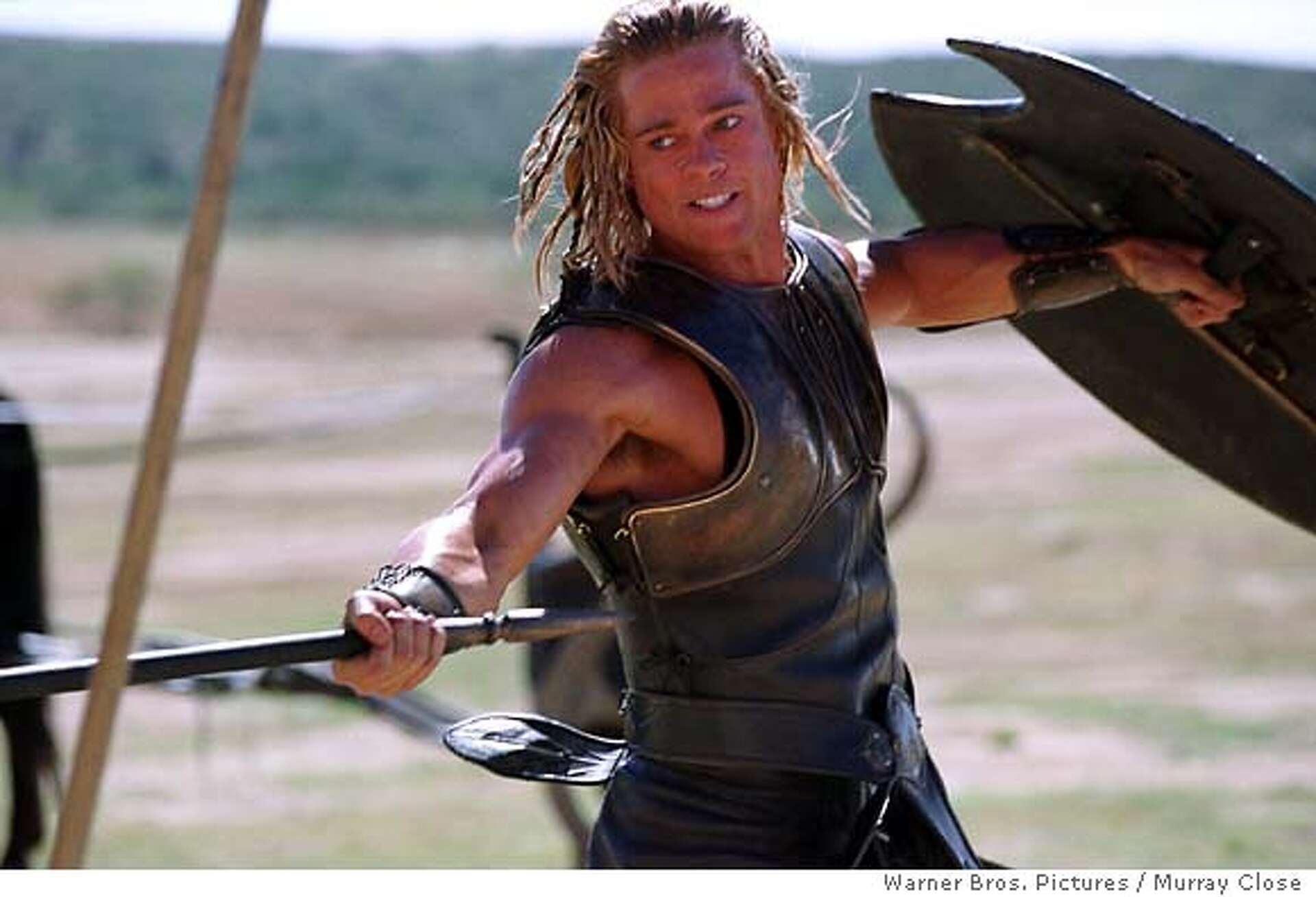
Yet, when rumors began bubbling up that Lupita Nyong’o might possibly be cast as Helen of Troy (and her sister Clymtemnestra) in Nolan’s cinematic 2026 take on the Odyssey, a mass of people who have never seemed to given much thought on the ethnic “accuracy” of casting for Hollywood Greek mythology epics–suddenly had thoughts. In a full blown bout of saltiness not seen since the dark days of Black Dwarves and Mermaids, they took to social media to howl their disgust at this clear travesty of justice!
“But Helen of Troy is supposed to white! Her arm is described as white! She’s supposed to be the most beautiful woman in the world! What if white actors played Harriet Tubman or MLK? This is just woke and anti-white!”
Even their Great Exalted Grand Puba of White Grievance got involved, charging that Christopher Nolan had “desecrated” the Odyssey to push DEI in order to be eligible for an Oscar! They wasn’t just mad–they was BIG mad. Or, to put in meme form:

None of this was surprising. We’ve seen and heard this sentiment before. The casting of Black actors in roles where some deem they don’t belong, results in outbursts of grown human beings tantruming over Black people as mythological figures, superheroes, Star Wars characters, aliens, you name it. Whether its Black Targayrens, a lone Black Stormtrooper, or even pure speculation of a Black James Bond, these salty hoes STAY MAD. It’s their default setting. Even when the character is described as having dark brown skin, as in the case of Rue in the film adaptation of Susan Collins’s Hunger Games, the usual suspects are apoplectic. “What the f*ck are BLACK people doing here?” It appears that for some, it’s easier to suspend disbelief for fire breathing dragons, planet destroying weapons, or futurist dystopias–than Black people. Their imaginations just don’t have the range.
Of course, the dust up over Lupita playing Helen of Troy isn’t based on anything remotely serious. Helen of Troy is not a historical figure. She is part of a mythology. In fact, Helen’s father is the god Zeus who shape-shifted into a swan to have sex with her mother–leaving her to be born in an egg. Her momma laid an egg. Literally. You’d think with that kind of unorthodox family background, sussing out Helen’s precise ancestry would seem ludicrous. But nah. Seems some people believe they can definitely tell you what she WAS and what she WASN’T.
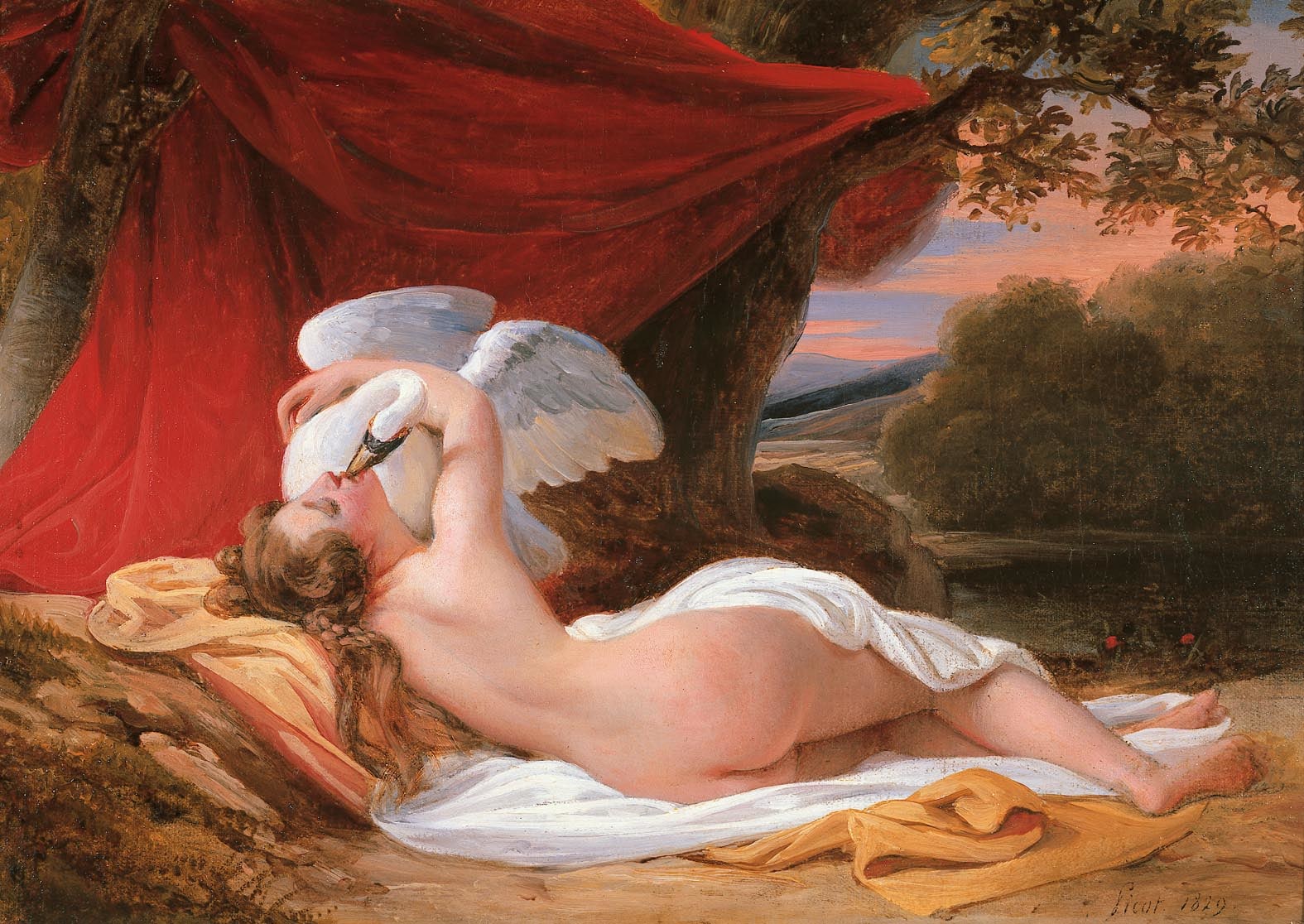
Art by François Édouard Picot, 1829
And don’t be fooled by those trying to sound sophisticated by saying, well Lupita isn’t Greek and I’m concerned about swan birth accuracy. Actress Diane Krueger who played Helen in 2004’s Troy wasn’t Greek either. Neither is actor Matt Damon, who is leading the cast in Nolan’s Odyssey as Ulysses. In fact, just doing a quick check of the cast of this Odyssey doesn’t show a single person of Greek ancestry in a major role.
So, if you’re complaining that Hollywood should make more films based on Greek mythology with Greek people, I guess you can argue your point–but there’s no need to start or stop with Lupita. That is, unless you’re doing some weird thing where you’re substituting Greek for white. Because if so, boy oh boy, do I have news for you on how the ancient Greeks would have taken the idea that they shared some “racial” kinship with Northern Europeans. Or that they were “white”…in a Mediterranean world. Need we be reminded that the ancient Greeks thought much of Europe was such a backwater, most of the continent didn’t even make it into the story!
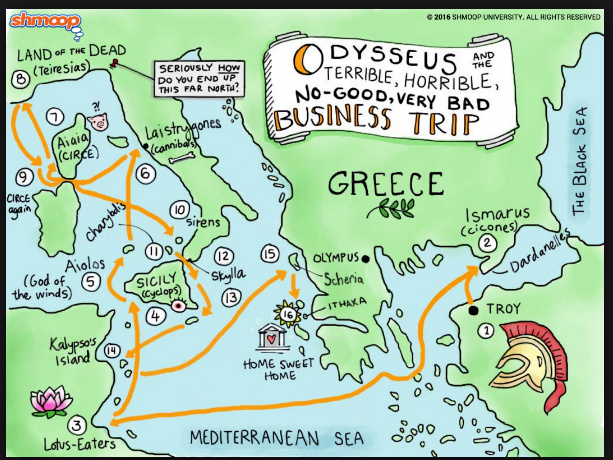
The ancient Greek world, in fact, was quite diverse–with interactions throughout the Mediterranean, bordering three continents, which included peoples of various backgrounds, types, and skin color. One only has to take a look at Greek mythology which featured numerous Aethiopians (a term that could refer to various darker-skinned people, but usually meant Africa proper) in its stories, from Andromeda–the princess rescued by Perseus, to Memnon, an Ethiopian King who battles Achilles in Troy and is said to lead an army of Ethiopians in the Aethiopia, composed in the 7th century sometime just after (wait for it, wait for it…) Homer’s Iliad. Oh, also, Memnon’s mother is Eos, the goddess of dawn. Because you know, it’s all made up.
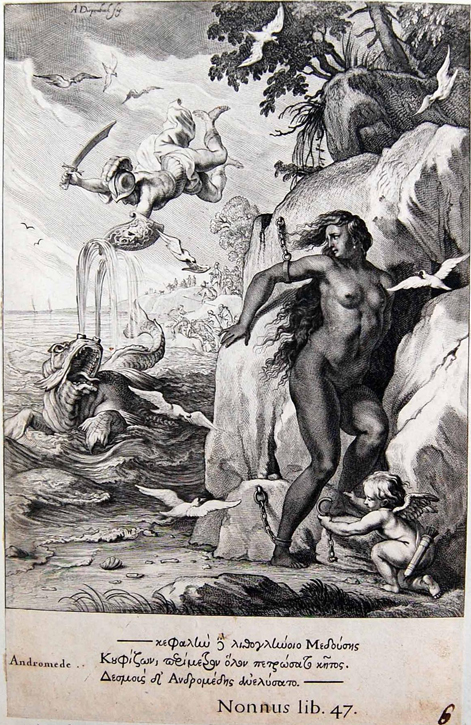
c.1635–1638, etching & engraving after Abraham van Diepenbeeck (1596–1675)
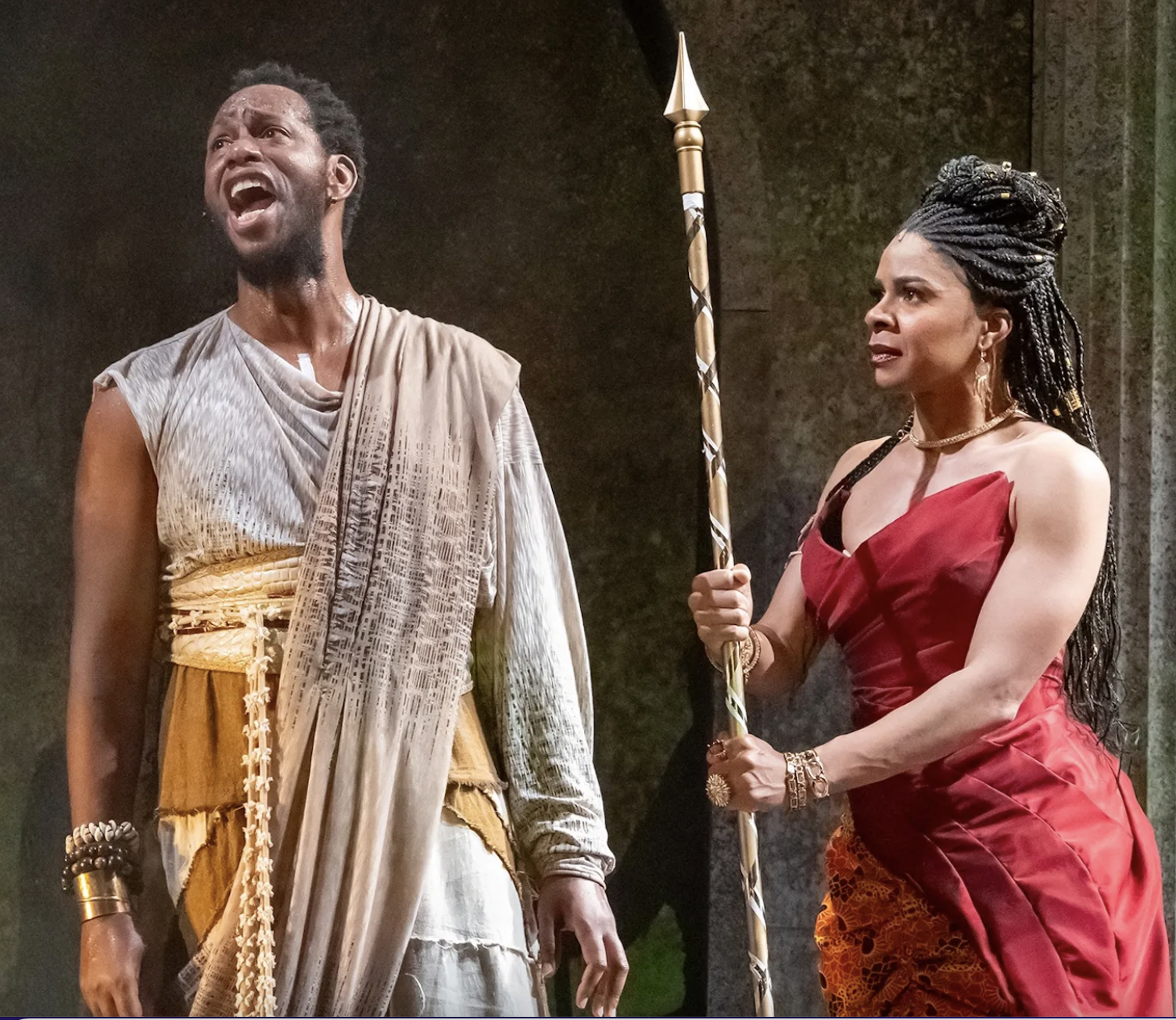
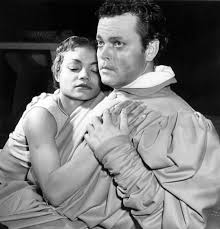
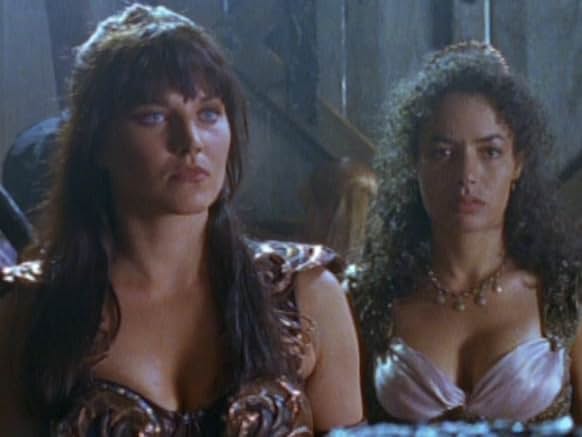
The Illiad and the Odyssey are epic stories of fiction, which now exist alongside such works as Shakespeare’s Macbeth or Romeo and Juliet. It doesn’t matter who plays those roles. You don’t have to be descended from Scottish kings to be in Macbeth or feuding Italian city-states to portray Romeo and Juliet. They tend to be interchangeable when it comes to identity and are redone around the world by a diverse set of actors. That’s not to say they don’t come with their own bits of racial backlash–as seen in the abuse suffered by an actress cast to play Juliet on stage opposite Tom Holland as Romeo back in 2024. But, in the main, much of the world has gotten more used to Black actors like David Oyelowo doing Henry VI or Paapa Essiedu playing Hamlet. For some time, this was even the case even of Helen of Troy, who has been portrayed by Black actresses before. Most famously, actress Eartha Kitt played the role in Orson Welles’ Paris stage production of Dr. Faustus in 1950; and, more recently, actress Galyn Görg played Helen of Troy in the TV series Xena: Warrior Princess.
But of course, we live in stupider times–where culture wars and white grievance infect and corrupt everything. In a world where large swaths of Anglo-Saxon American males somehow dream of themselves as Romans (hey Romans, get this: the uncultured colonists and barbarians of your frontier empire idolize you now) and white supremacists have racial fantasies of ancient and medieval “white-topias” where they were manly warriors–instead of, more likely, dying of the plague or serfs farming “m’lord’s turnips”–anything Black intruding in such spaces triggers epic levels of saltiness.
The last refuge of the perpetually aggrieved is to level threats. Their favorite one goes something along the lines of: “Well what if Sydney Sweeney played Harriet Tubman! Maybe we’ll have Ryan Gosling play MLK! What if white actors were cast in Twelve Years a Slave?” Of course, the easy rebuttal here is that Helen of Troy is again–a lady born of a swan and hatched by an egg in a mythical story. Just like the Little Mermaid was a lady who was also half-fish whose best friend was a talking flounder. Harriet Tubman, MLK, and Solomon Northrup, on the other hand, were actually real human beings. We have books and pictures and stuff to prove it. The inability of certain people to discern the difference between fictional characters and historical ones is troubling. And I have to believe that racism just makes you dumber. But the most galling part of that argument is… wait, is this ya’ll?
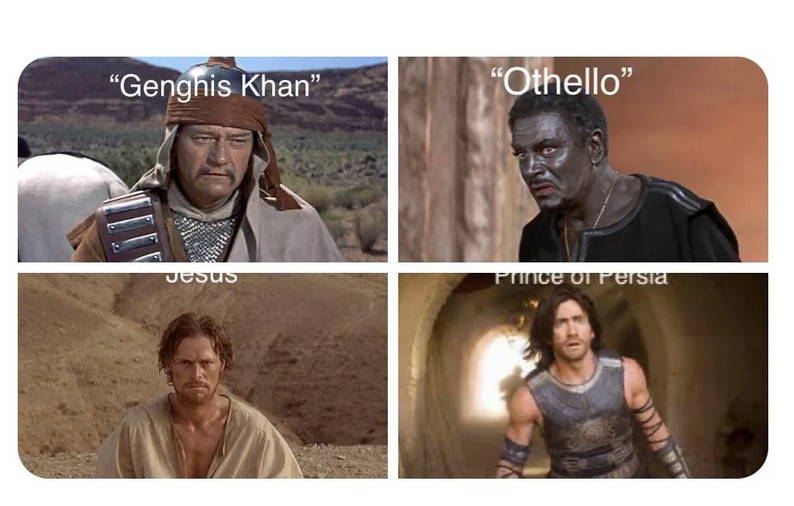
Do you know the level of hubris you have to have, to fix your lips together to lob threats of using white actors to play BIPOC characters when you got this track record? An entire industry called Blackface minstrelsy in which white performers blackened their skin not just to *portray*, but denigrate and insult Black people as a whole, was America’s greatest form of entertainment for over a century–and got exported around the world! Yellowface and Redface were ingrained into everything from Hollywood films to advertising. And its not even a thing of the past. White actors STILL portray people of color in numerous roles. We would need Lupitas playing Helens of Troy by the truckloads just to catch up. So sit down somewhere with all that. Ya’ll have no moral standing here. Not a drop.
Secondly. What he said:
Yup. I second this emotion. GO ahead. Cast Sydney Sweeney as Harriet Tubman. Cast Ryan Gosling as MLK. Be sure to depict the scene where a slave catcher throws a heavy iron weight at Sydney Sweeney’s head when she’s a child, leaving her forever with a disability. Be sure to show MLK dodging bricks hurled by angry white mobs in Chicago, or his blood smearing the ground of the hotel from the assassin’s bullet that takes his life. You want a white actress to play Lupita’s role as Patsey in Twelve Years a Slave? DO IT. Take your pick from the plethora of white actresses out there. Be sure to depict the whip slicing into her back so hard it cuts and leaves bleeding ridges in the skin almost to the bone, the way director Steve McQueen did. Capture every. visceral. terrible. bit. You want the burden that bad? Pick it up and carry it. Don’t just talk that sh*t, be bout it. I want to see these depictions you keep threatening us with.
Because you know what? It just might just do some good. Stay with me.
Back during the American Civil War, after the Union had decided to make the conflict one to end slavery and not just preserve the Union, photographs of mixed-race white-presenting formerly enslaved children from New Orleans became part of a campaign to win sympathy in the North. The photos were taken and initially circulated by Colonel George Hanks of the 18th Infantry of the Corps d’Afrique—a military unit composed entirely of Black men that formed upon the fall of Confederate New Orleans. In the photographs some of the children were said to have been kept in slavery to their half-siblings, or sold off into bondage–by their own fathers.
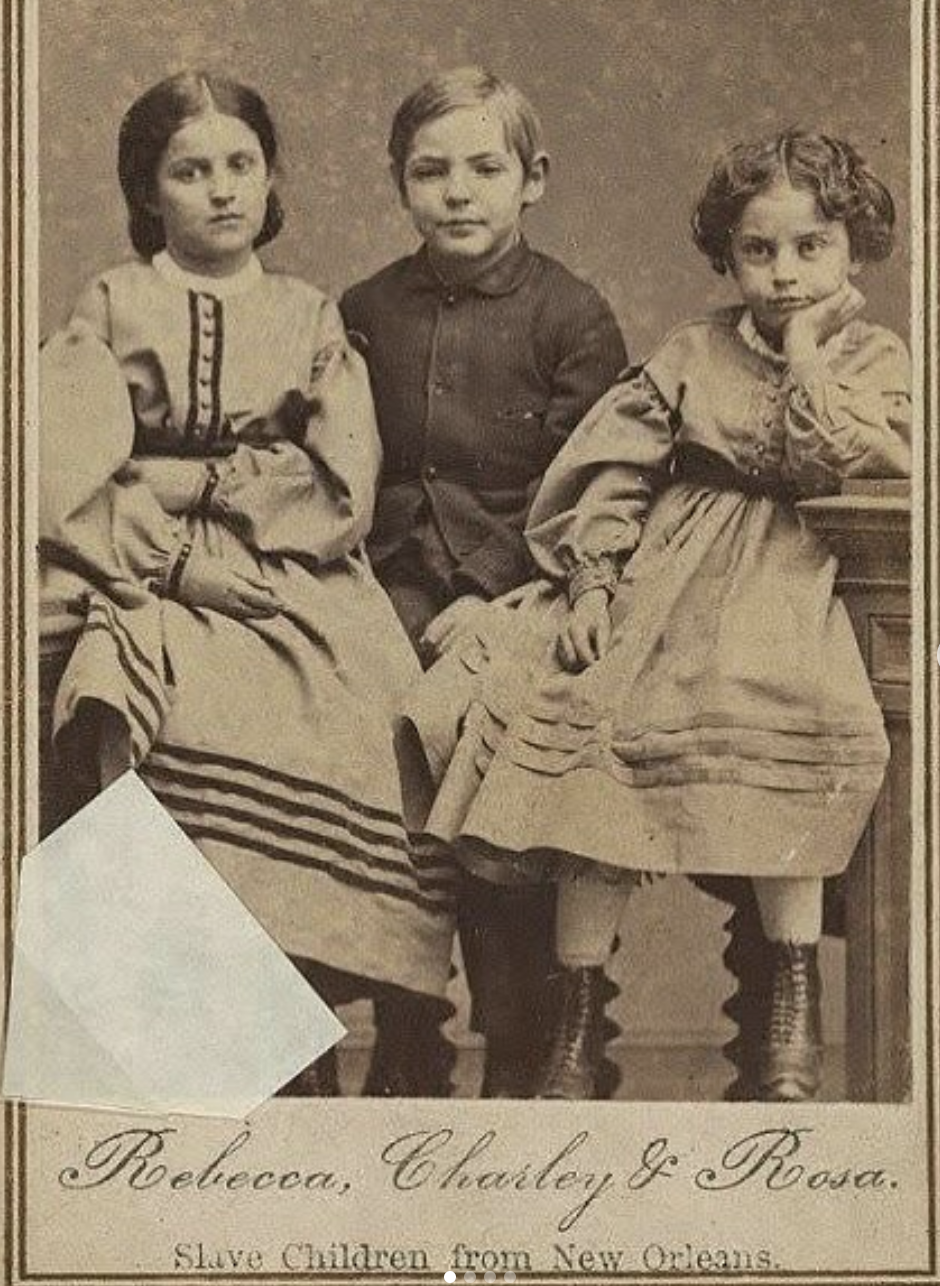
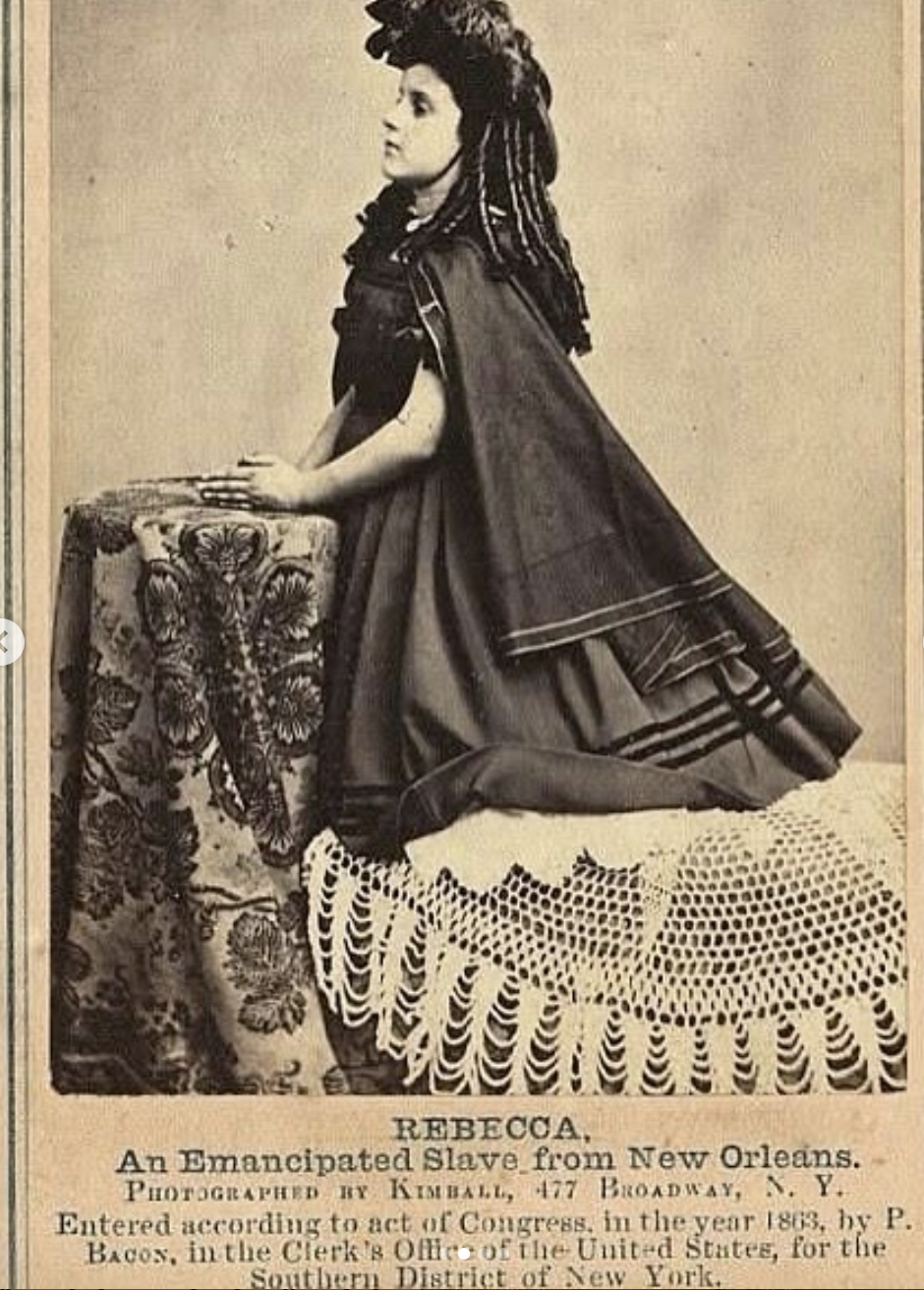
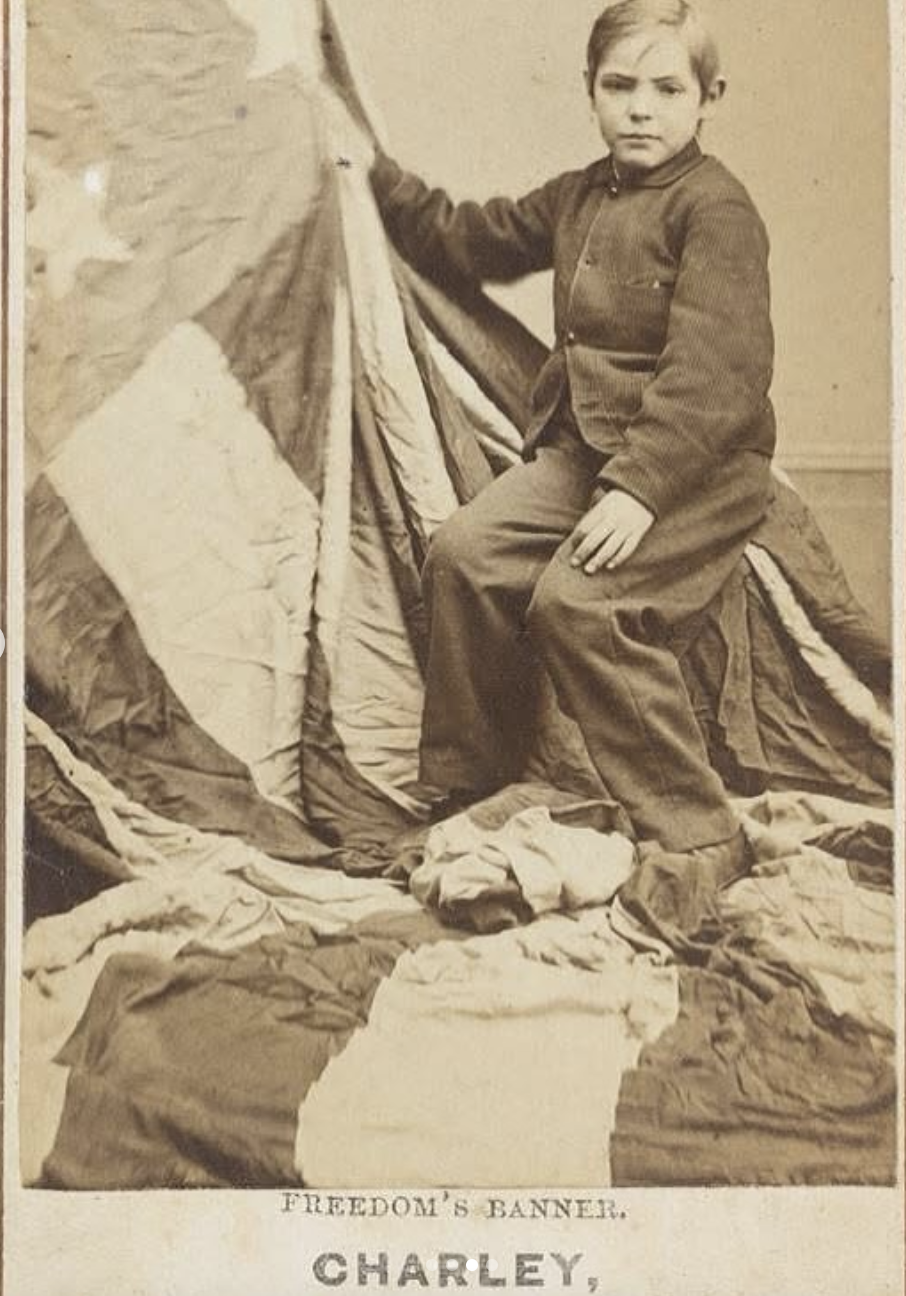
[Photographs courtesy of the Library of Congress, Prints and Photograph Division]
The propaganda campaign had several uses. It allowed the Union to depict the South, and thus the Confederacy, as a place of sexual licentiousness and racial “amalgamation” where white men regularly sexually abused enslaved women–striking a blow to claims of Southern chivalry and civilization. It also portrayed the South as a place of debased immorality, where white men could enslave or even sell away their own flesh and blood with no feeling or remorse. But central to all this, according to historian Kathleen Collins, was that these mixed-race children looked *white.* Collins states, it was hoped “these enigmatic portraits of Caucasian-featured children” would play on the sympathies of Northerners”–in ways that other Black children would not.
Maybe those asking for white characters to portray Black historical figures are on to something similar. Maybe seeing white bodies and faces that many white people (and even many non-white people) sympathize with more, facing historical oppression, violence, and harm, might be just what we need. Maybe it might bring the smallest shred of understanding and empathy that some appear incapable of granting to Black people. Maybe it will set off some little spark in their brains that it’s just possible, we might also be human–and feel, and bleed, and suffer, just like them. So I’m on board. Give us your white Harriet Tubman. Let’s see a mob strip a white Nat Turner of his skin, behead him and pass down his skull as a trophy. Or a white Sarah Baartman subjugated to sexual trafficking in late 18th century Europe, to be poked, prodded, and assaulted before dying at the age of 26 from syphilis–after which her skeleton, brain, and sexual organs were removed for “study.” Create a sprawling epic with untold white extras in a retelling of the Belgian Congo under Leopold II, and be sure we can see all the white hands–of children, women, the elderly–cut off to incentivize greater rubber production.
Make. 👏🏿 These. 👏🏿 Flicks. 👏🏿
I’ll buy a ticket. And sit right up there in the cinema with you. Front. Row.
Anyway, at the end of the day, the only requirement of any actress playing Helen of Troy is that she is brilliant in her craft and can bring out the character in the role. Lupita got the Oscar and enough accolades to show she can handle that and then some. The only other requirement, according at least to Homer, is that she is someone beautiful and striking. And as Alec Baldwin put it, she got that down. That is a face that could definitely launch a thousand ships…and then some.
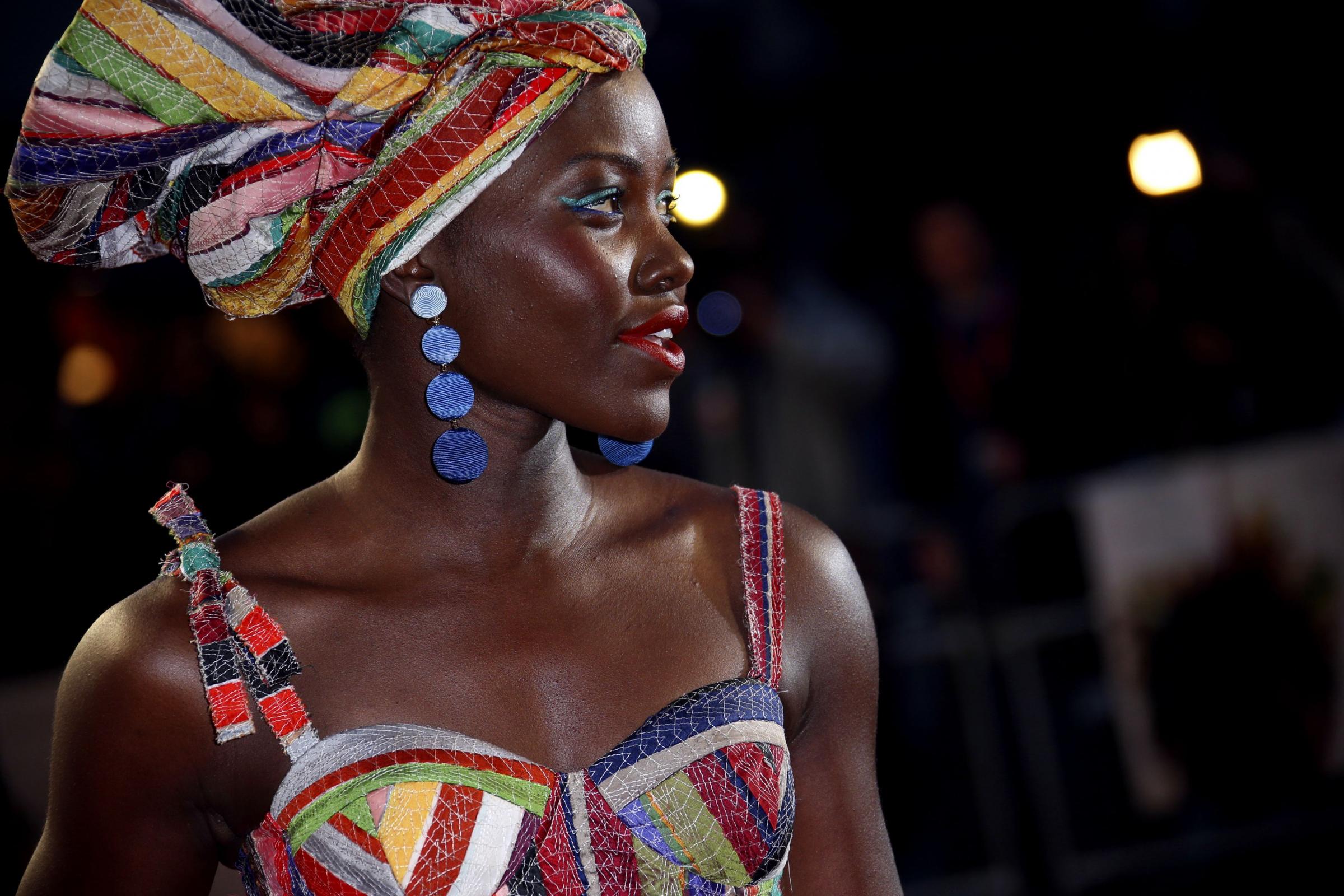
Now, I’ll let Lupita have the last word:
“I was so deeply honored to be entrusted with the role. I mean, she [Helen] is iconic. What more can I say? … You can’t perform beauty. I want to know who a character is. What is beyond beauty? What is beyond looks?…Our cast is representative of the world. I’m not spending my time thinking of a defense. The criticism will exist whether I engage with it or not. … It’s quite something to be a part of The Odyssey, because it is so grand. It spans worlds. So that’s why the cast is what it is. We’re occupying the epic narrative of our time.”


I’ll admit I was a bit puzzled …’wait, isn’t Helen supposed to be blonde? Oh, you twit, Helen herself probably never actually existed (though the ‘Trojan War’ *might have*)! And her father was the god Zeus, and Zeus’s kids could look like anyone, who cares? I can see Lupita Nyong’o’s face launching a thousand ships, and she certainly can *ACT* ….. Ooooo! And I can watch people-crazier-than-me object! Being the sane one is always fun ….”‘
Really great article! The Greek myth section of the Internet has been very divided about this casting and it’s nice to hear your opinion. One correction, though: Memnon isn’t in the Iliad, because that ends with the death of Hector. He’s part of a later tradition. 🙂
Hey, thanks for reading–and for the correction. That’s right–Memnon is in the Aethiopia! Can’t keep my 7th century epics straight. 🙂
I love how you ask us to imagine depictions of white people being brutalized the way black people have as a way of eliciting sympathy for the latter as if there haven’t already been many cases of Greeks and other “white” people having exactly that happen to them which still get far less media attention than the aforementioned black experiences. Read about what the Ottomans did to Greeks in Smyrna and tell me that it’s still okay to keep appropriating their culture. I’ll wait.
What…are you waiting on? Is this some kind of 17th century “dreaded Turk” talk that makes Turkey very “other” as opposed to the allegedly Occidental Greeks? Because, I just tend to think of them both as Mediterranean people. Also, I never said “white” people didn’t suffer atrocities. Two of the bloodiest world wars in human history and a long tradition of warfare, genocide, and brutality in Europe alone testifies to that. No one oppresses Europeans, like other Europeans. Anyway, my point wasn’t some oppression Olympics–I was directly responding to those who keep threatening to make a movie depicting prominent Black historical figures (Harriet Tubman, Malcolm X, etc) as white, in “retaliation” for Lupita as Helen of Troy. Are there some Black movie directors somewhere doing the same to historical figures of modern Greece? Is there some Black director proposing Denzel Washington play Dr. George Papanicolaou? Or casting Regina King as Lela Karagianni? Or are you actually comparing these historical people to a an ancient mythical lady that was born of a swan in an egg? Is that what you’re doing Kai? Anyway, you should look up what “appropriation” means, its historical context and the power dynamics necessary to carry it out. Because the only ones “appropriating” ancient Greece in media, have been Western Europeans–since at least the Renaissance–who have “Nordified” depictions of ancient Greece so much, people think Englishmen and Germanic people are somehow “accurate” portrayals. And next time, don’t drop the mic unless you’ve actually made a point. Point first, mic drop second. In that order.
Dude, my great-grandfather was an Arab from one of the original Islamic families connected with the Prophet Muhammad, and even he fought the Ottomans because he was smart enough to see that their conservative despotism had been holding back his people for hundreds of years. How dare you insinuate that I’m somehow being racist by talking badly about the Ottomans. At least by saying that, you proved that solidarity between oppressed peoples is in fact a myth and that I still don’t owe you anything. I don’t show solidarity towards people who talk down to me just because I’m “whiter” than they are.
Oh look, it’s you again. First of all, Imma need you take some of that bass out your voice up on my page. Yes. I dared say that the words you were spouting had a *ring of racism* to em. I don’t know if that makes you a racist, or if you just like spouting things racists say. That your grandfather was blah blah blah whatever doesn’t change any of that I’m afraid. I don’t know why you’re so indignant now. YOU came to MY post to leave your two drachmas, by insinuating that there was something wrong or limiting in me making a point about movies about Black suffering–which racists were using as a point to attack Black people being in the Odyssey. That was the context of my statement: a rebuttal for every racist who asked, “What if I made a movie about Harriet Tubman and a white actress played the role?” Because, of course, Harriet Tubman (a historical figure fighting against slavery) from like a century and half ago is not analogous to Helen of Troy (a mythical lady born of a swan and hatched from an egg) from a 3000 year old story. Here’s the thing, Kai, you could have just come on here and made your point without all the extra-ness You might have said, “I hear you on the way racists keep trying to use historical figures associated with Black oppression to attack a Black actresses like Lupita playing Helen of Troy. That’s terrible. And wrong. I’d like to add that numerous people today considered ‘white’ were oppressed in Europe as well, like the Greeks under the Ottomans. And …yadda yadda yadda.” See? See how different that is, than barging onto my post, acting as if talking about Black oppression somehow belittles white oppression (is the oppression a finite resource?), then doing a mic drop and an “I’ll wait.” You came here obviously looking for a fight. You got one. Now you’re crying about it. Ya’ll need to stop playing games on Al Gore’s internet. Just make a polite point without all the “gotcha” and the borrowed (see, I didn’t say appropriated) Black slang (mic drop).
Oh, and to respond to the rest of your reply: I actually am also against Anglos appropriating Mediterranean culture the way Christopher Nolan is doing. In fact, I actually find myself more offended than anything by the thought of Odysseus being portrayed by a dude from Massachusetts who probably looks like lobster within an hour of being out in the Mediterranean sun without buckets of sunscreen. So no, this isn’t just about Helen being black. In fact, I’m not even sure how this ended up being the conversation on the film given that there were already lots of people criticizing it for how it looked from the moment that first trailer dropped. This kind of stuff is why I hate American politics as an American.
Well Kai, I actually think there is a point to be made about the lack of Greek people in big epic movies based on ancient Greek mythology. I saw this critique raised in 2004 by a few Greek critics over the movie Troy. But, let’s be very honest here, the loud wailing and gnashing of teeth over Christopher Nolan’s adaptation of The Odyssey has not been because a white Celtic guy from Massachusetts, who the ancient Greeks would have never known, is playing the titular character in the film. The crybabies been crying about the Black lady being Helen of Troy. That they are NOT complaining of the numerous other Europeans of Anglo, Germanic, etc. background playing ancient Greeks–but instead the Black actress–was the entire point of my post. And I mentioned that. So, let’s not be obtuse here and recognize we are speaking first and foremost about anti-Black racism in the larger complaints about this film. That being said, context is needed. As I said in my post, Homer’s epic is now part of the canon of western literature–like Shakespeare. They’ve become universalist. And part of this was the act of colonization, whereby western Europeans *appropriated* (a proper use of the term here) ancient Greece and Rome, along with their stories, created volumes of artistic depictions where Greeks and Romans were lightened, made blonde, and decidedly NW European in appearance, and THEN disseminated these stories, art, etc. as part of the colonizing and civilizing project. Homer and Shakespeare are part of my culture and upbringing, because the trans-Atlantic slave trade forced my descendants across the ocean to help build up “The West.” Homer, Shakespeare, Dickens–they were taught to me from an early age, touted as the pinnacle of civilization, and as universalist themes of mankind–see Edward Said’s Orientalism for more. So, it’s not surprising, that whether we are talking Hamlet or Homer or Dicken’s mermaids, diverse people play those roles. That is what Gikandi spoke about in Maps of Englishness–the colonial other/subject was forced to adopt the culture of the coloniser, and sometimes now wears and portrays the colonizer’s culture BETTER than the colonizer. Calling that “appropriation” when the colonized came to these subjects through oppression, culture erasure, etc. would be perverse. Anyway, saw the Odyssey. Liked it a lot. Will probably see it again. I suggest all the people with reservations do so. What Nolan created–beyond all the silly dust up over the beautiful Lupita playing her role–is actually genius, in how he has retold and perhaps reclaimed this timeless story for the ancient Greeks. I think Homer (and those who helped create the story before him) would be proud.
One excruciatingly tiny comment, because that’s how my mind works: as any fan of The Mikado knows, it’s Pooh-Bah.
And of course The Mikado has its own set of casting issues, but it never pretended to be anything but a thinly disguised satire of London at the time.
Jim, thanks for this. Here’s what’s funny. I should know how Poobah is spelled if only from watching lots of The Flintstones as a kid–long before I ever saw anything by Gilbert & Sullivan. But in writing my post, I spelled it Puba after a famous 90s rapper (Grand Puba) from the group Brand Nubian, who put his own spin on the title. I hadn’t even noticed what I’d done. Now I’m going to listen to Grand Puba for real. Also, I’m not changing it cuz I think the mental mix-up is kinda hilarious.
Thanks for this.